In today’s fast-moving economy, starting a business is no longer just about copying what already exists. Entrepreneurs across the UK, USA, Australia, and Canada are actively searching for unique business ideas that combine creativity with real-world demand. The most successful ventures aren’t always revolutionary inventions; they’re often smart twists on existing models, delivered better, faster, or to a more specific audience.
From eco-friendly startups and tech-enabled services to niche subscription models and local experience businesses, innovation is happening at every level. Consumers now value personalization, sustainability, convenience, and authenticity, creating massive opportunities for those willing to think differently.
This article explores practical yet inspiring, unique business ideas you can realistically start, validate, and grow. You’ll learn what makes an idea truly unique, discover high-potential business models for 2026, and gain actionable insights on how to evaluate and launch your own venture. Whether you’re a beginner, side-hustler, or aspiring founder, these ideas are designed to help you stand out and succeed in competitive markets.
What Makes a Business Idea Truly Unique?
A business idea becomes unique not because it has never existed, but because it delivers value in a distinct and meaningful way. Uniqueness often comes from how something is done rather than what is done.
Identifying Market Gaps
Successful entrepreneurs look for:
- Underserved customer segments
- Frustrations with existing services
- Inefficiencies in traditional industries
For example, plant care services existed long before they became popular, but subscription-based plant maintenance for offices and renters transformed a common hobby into a scalable business.
Practical Innovation Beats Pure Novelty
Many failed startups were “too innovative” without solving a real problem. The best unique business ideas sit at the intersection of:
- Proven demand
- Simplicity
- A fresh delivery method
Real-World Insight
One standout example is the rise of virtual interior design services, allowing designers to serve clients globally without site visits. This innovation reduced costs while increasing reach, a practical, not radical, shift.
Sustainable & Eco-Friendly Business Ideas
Sustainability is no longer a trend; it’s an expectation. Eco-friendly businesses are particularly strong in the UK, Canada, and Australia.
Urban Composting Services
Offer weekly organic waste collection for apartments and cafes. Revenue comes from subscriptions, while compost can be resold to gardeners.
Zero-Waste Product Store (Online or Local)
Sell refillable household essentials like cleaning products, toiletries, and pantry staples.
Upcycled Furniture & Home Décor
Turn discarded wood, metal, or textiles into premium home items with a story.
Unique Insight
Consumers are more willing to pay premium prices for transparent sustainability, especially when businesses clearly show environmental impact.
Tech-Driven & Digital Business Models
You don’t need to be a programmer to start a tech-enabled business.
AI-Powered Content & Marketing Services
Offer small businesses automated blog writing, email campaigns, or social media scheduling using AI tools.
Virtual Reality (VR) Tours
Create VR property tours for real estate agents or tourism boards , especially valuable in remote or high-value markets.
Drone Photography & Mapping
Serve agriculture, construction, or real estate with aerial data and visuals.
Unique Insight
Tech businesses grow faster when they solve offline problems, helping traditional industries modernise rather than targeting tech-savvy users only.
Subscription & Membership Business Ideas
Subscription models provide predictable income and stronger customer relationships.
Sustainable Lifestyle Subscription Box
Monthly eco-friendly essentials tailored to households.
Niche Learning Membership
Offer skill-based learning communities (crafts, gardening, digital skills) with monthly content and live sessions.
Gourmet or Cultural Experience Boxes
Curated snacks, spices, or books themed around different countries or cultures.
Unique Insight
Smaller, highly targeted subscription boxes often outperform mass-market ones due to stronger customer loyalty.
Local Experience & Service-Based Businesses
Local services remain one of the most reliable paths to profitability.
Mobile Workshops
Teach upcycling, painting, or DIY skills at schools, offices, or community centres.
Senior Technology Support
Help older adults with smartphones, video calls, and online safety.
Plant Rental & Office Greening
Rent and maintain plants for offices, events, and rentals.
Unique Insight
Service businesses grow faster when they bundle convenience, offering setup, maintenance, and support together.
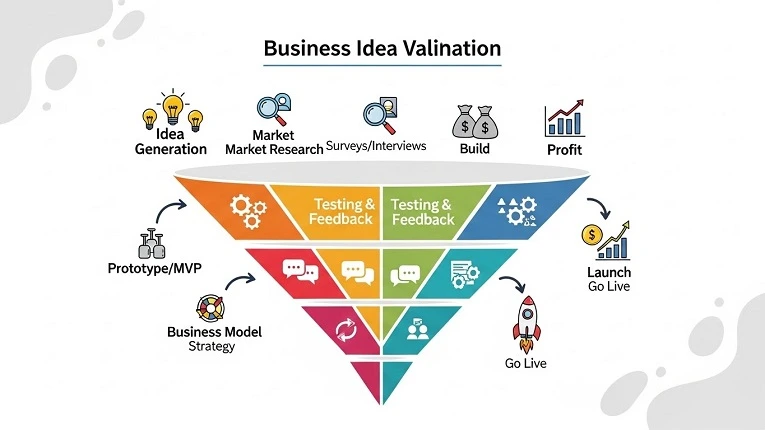
How to Validate Your Unique Business Idea
Market Research Basics
- Survey potential customers
- Analyse competitors
- Track search trends
Test Before You Scale
Launch a minimum viable product (MVP):
- Landing page
- Pre-orders
- Pilot program
Metrics That Matter
- Customer acquisition cost (CAC)
- Retention rate
- Profit margins
Validation saves time, money, and motivation.
Conclusion
Launching a successful venture in 2026 isn’t about chasing the most radical idea, it’s about building something useful, distinctive, and sustainable. Across the UK, USA, Australia, and Canada, entrepreneurs are thriving by identifying overlooked needs and delivering smarter solutions.
The most powerful unique business ideas blend practical execution with creative thinking. Whether it’s an eco-friendly service, a digital business, or a local experience, success comes from understanding your audience and continuously adapting. Start small, test often, and refine based on real feedback.
If one idea in this guide resonated with you, take the next step today: research your market, validate your concept, and begin building. Innovation rewards those who act, not just those who dream.
FAQs
1. Are unique business ideas risky?
They can be, but validation greatly reduces risk.
2. Can beginners start unique businesses?
Yes. Many ideas require creativity more than capital.
3. Which business ideas are most profitable long-term?
Subscription services and scalable digital models.
4. Do I need funding to start?
Not always. Many ideas start with minimal investment.
5. How long before a unique business becomes profitable?
Typically 6–18 months with consistent effort.